
Travel planning guide Key Takeaways
Planning your first trip can feel overwhelming, but this beginner-friendly travel planning guide breaks everything down into seven simple steps.
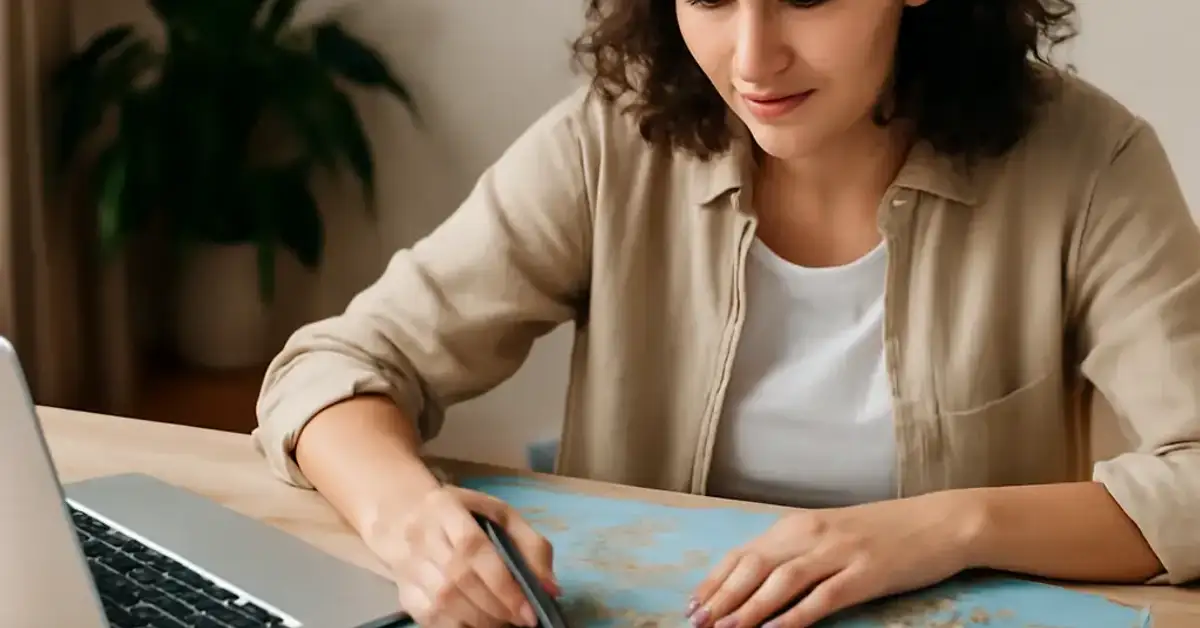
Why Every New Traveler Needs a Solid Travel Planning Guide
Let’s be honest — planning a trip for the first time is scary. You don’t know what you don’t know. Should you book flights early or wait for a deal? Is it better to stay in a hostel or a hotel? What if you forget something important?
That’s exactly why this travel planning guide exists. It takes the guesswork out of beginner travel planning and gives you a clear roadmap. By following these seven steps, you’ll avoid the panic and enjoy the excitement instead.
Step 1: Choose Your Destination Wisely
Your first trip should feel exciting, not intimidating. Pick a place that matches your comfort level and interests. If you’re nervous about language barriers, consider an English-friendly country. If you love nature, look for national parks or coastal towns.
Factors to Consider for First-Time Tourists
- Safety: Check travel advisories and read recent reviews.
- Language: Destinations where English is widely spoken can ease anxiety.
- Flight time: A shorter flight reduces jet lag and travel fatigue.
- Cost of living: Choose a place where your money goes further.
Use Online Resources for Research
Sites like Lonely Planet and TripAdvisor are goldmines for first-time tourist tips. Read recent reviews, watch YouTube vlogs, and join Facebook travel groups to get real advice from real people.
Step 2: Set a Realistic Travel Planning Guide Budget
Money stress can ruin a vacation fast. That’s why beginner travel planning must include a clear budget. Start by estimating your biggest expenses: flights, accommodation, food, and activities.
How to Create a First-Trip Budget
- Flights: Check price comparison tools like Skyscanner or Google Flights.
- Accommodation: Compare hotels, hostels, and vacation rentals.
- Daily spending: Research average meal costs and local transport fares.
- Emergency fund: Set aside 10-15% for unexpected expenses.
A good rule of thumb: overestimate your costs by 20%. It’s better to come home with leftover cash than to run out mid-trip.
Step 3: Book Flights and Accommodation Smartly
Booking at the right time can save you hundreds. For flights, aim to book 6-8 weeks in advance for domestic trips and 3-4 months for international. For accommodation, look for free cancellation options in case your plans change.
Tips for First-Time Bookings
- Use incognito mode when searching for flights to avoid price hikes.
- Read cancellation policies carefully before paying.
- Consider package deals on sites like Expedia or Kayak.
- Check if your credit card offers travel insurance or rewards.
Step 4: Get Your Documents and Insurance in Order
Nothing kills a trip faster than a passport problem. Make sure your passport is valid for at least six months beyond your travel dates. Check if you need a visa — some countries require applications weeks in advance.
Travel Insurance Is Non-Negotiable
Many first-time tourists skip insurance to save money. Don’t. A $50 policy can cover lost luggage, medical emergencies, or trip cancellations. First-time tourist tips always include this advice: buy insurance the same day you book your trip.
Step 5: Pack Light but Smart
Overpacking is the number one mistake new travelers make. You do not need five pairs of shoes for a week-long trip. Stick to a versatile wardrobe that can be mixed and matched.
The Essential Packing Checklist
- Clothing: 3-4 tops, 2 bottoms, 1 jacket, 1 pair of comfortable shoes.
- Toiletries: Travel-sized shampoo, sunscreen, toothbrush, and a basic first-aid kit.
- Electronics: Universal adapter, power bank, phone charger, and earbuds.
- Documents: Printed copies of your passport, visa, insurance, and booking confirmations.
Roll your clothes instead of folding them — it saves space and reduces wrinkles.
Step 6: Plan Your First Day and Arrival
The first day in a new place can be disorienting. Have a plan for how you’ll get from the airport to your accommodation. Pre-book a transfer or research public transport options before you leave.
Settle In Before Exploring
Drop your bags, take a shower, and get your bearings. Then choose one or two nearby attractions to visit. Don’t try to do everything on day one — that’s a recipe for burnout.
Stay Connected Safely
Buy a local SIM card or an eSIM plan so you have data for maps and communication. Apps like Google Maps, Google Translate, and Uber can be lifesavers for first-time tourist tips.
Step 7: Avoid These Common Mistakes
Even seasoned travelers make errors. Here are the biggest ones to avoid on your first trip:
- Overplanning: Leave room for spontaneity. Some of the best memories happen when you wander.
- Ignoring local customs: Learn a few phrases in the local language and respect cultural norms.
- Forgetting to inform your bank: Let them know you’re traveling so your card doesn’t get blocked.
- Not downloading offline maps: Download Google Maps for your destination before you leave.
- Eating only at tourist spots: Walk a few blocks away from main attractions for cheaper and tastier food.
Final Thoughts: Your Travel Planning Guide for a Confident First Trip
Planning your first adventure doesn’t have to be stressful. With this travel planning guide, you now have a clear, actionable path from idea to arrival. Remember: start small, budget smart, pack light, and give yourself grace when things don’t go perfectly. Every traveler started exactly where you are now. You’ve got this. For a related guide, see Best Street Food: 10 Must-Try Dishes From Around the World.
Useful Resources
For deeper research and real-time updates, check out these trusted sites:
- Lonely Planet — Expert destination guides and travel tips for every budget.
- U.S. State Department Travel Advisories — Official safety information and entry requirements for international travel.
Frequently Asked Questions About travel planning guide
What is the best travel planning guide for a first-time tourist?
A good travel planning guide covers everything from destination selection to packing and budgeting. This article serves as a complete starting point.
How far in advance should I start beginner travel planning ?
Start at least 3-4 months ahead for international trips and 6-8 weeks for domestic trips. This gives you time to find deals and handle paperwork.
What should I include in my travel planning guide checklist?
Include destination research, budget, flights, accommodation, travel insurance, packing list, and a rough itinerary with free time.
How much money should I save for my first trip?
It depends on the destination, but a week-long trip to a mid-range country typically costs between $1,000 and $2,500 per person including flights.
What are the most common first-time tourist tips for saving money?
Book flights on Tuesdays or Wednesdays, stay in hostels or guesthouses, eat where locals eat, and use public transport instead of taxis.
Do I need travel insurance as a first-time tourist?
Yes. Travel insurance covers medical emergencies, lost baggage, and trip cancellations. It’s a small price for peace of mind.
What should I pack for a first international trip?
Pack light: 3-4 outfits, comfortable walking shoes, a light jacket, toiletries, electronics, and copies of important documents.
How do I choose a safe destination for my first trip?
Check government travel advisories, read recent traveler reviews, and choose countries with a low crime rate and good tourist infrastructure.
Should I book a package tour or plan independently?
For your first trip, a package tour can reduce stress. If you prefer flexibility, independent planning with this travel planning guide works great.
What apps should I download before traveling?
Google Maps (with offline downloads), Google Translate, Uber or local ride-hailing apps, and a currency converter app are essential.
How do I avoid jet lag on my first trip?
Adjust your sleep schedule a few days before, stay hydrated, avoid alcohol during the flight, and get sunlight upon arrival.
What’s the best way to handle foreign currency?
Exchange a small amount before you leave, then use local ATMs for better rates. Notify your bank of your travel dates to avoid card blocks.
How do I stay safe as a first-time tourist?
Keep valuables in a hotel safe, avoid walking alone at night in unfamiliar areas, and share your itinerary with someone back home.
Should I learn the local language before traveling?
Learning a few phrases like hello, thank you, and where is the bathroom goes a long way. Locals appreciate the effort. For a related guide, see 8 Best Local Food Markets for Authentic Dining Experiences.
What if my flight gets canceled or delayed?
Stay calm, contact your airline immediately, and use your travel insurance if needed. Keep a backup plan for accommodation.
How do I make friends while traveling solo?
Stay in hostels with common areas, join free walking tours, use apps like Meetup or Couchsurfing, and be open to conversations.
Can I travel with just a carry-on bag?
Yes, for trips up to two weeks. A 40L backpack or a carry-on suitcase is enough if you pack smart and do laundry on the road.
What’s the best way to find cheap flights for my first trip?
Use flight comparison sites like Skyscanner, set price alerts, and be flexible with your dates and nearby airports.
How do I deal with homesickness while traveling?
Call or video chat with family, keep a travel journal, and immerse yourself in new experiences. It usually passes after a few days.
What’s the most important travel planning guide tip for first-time tourists?
Be flexible and kind to yourself. Things will go wrong, but those moments often become your best travel stories.