
local food markets Key Takeaways
Wandering through local food markets is the surest way to taste a destination’s soul—every stall tells a story, and every dish carries tradition.
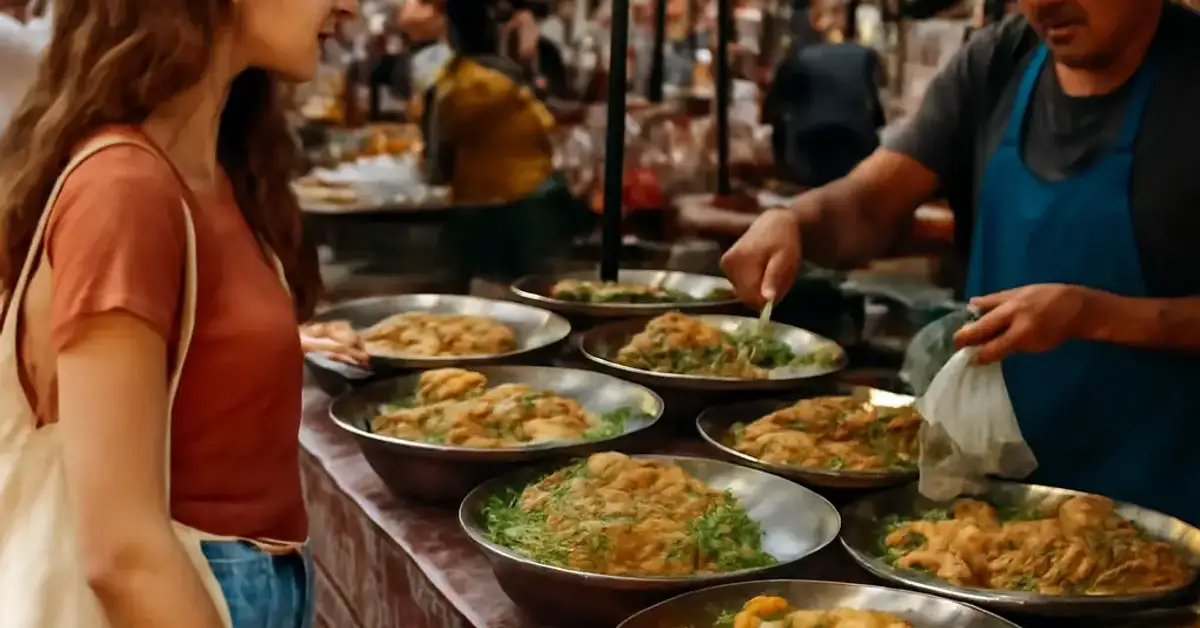
What Makes a Local Food Market Perfect for Authentic Dining
Food travelers crave more than just a meal—they want a story on a plate. The finest local food markets deliver exactly that by focusing on regional ingredients, time-honored recipes, and direct interaction with the people who produce the food. Unlike tourist-heavy food halls, these markets prioritize community over commerce, making every bite feel like a discovery. For a related guide, see 7 Best Coastal Towns for Weekend Escapes.
Criteria for Selection
To compile this list, we evaluated markets based on three core pillars: authenticity of offerings, diversity of vendors, and the overall visitor experience. Each market selected has been praised by food travelers and locals alike for preserving culinary traditions while welcoming curious eaters. We also considered accessibility, safety, and the availability of guided tasting tours.
Top 8 Best Local Food Markets Around the World
From Bangkok to Barcelona, these markets stand out as must-visit destinations for anyone seeking authentic dining experiences for food travelers. Each entry includes the location, must-try dishes, and insider tips to make your visit unforgettable. For a related guide, see 9 Most Beautiful Historic Cities for Culture Lovers: Expert Picks.
1. Mercado de La Boqueria – Barcelona, Spain
Location: La Rambla, Barcelona
Must-try dishes: Jamón ibérico, fresh seafood platters, and pintxos from Bar Pinotxo.
Elbowing through the crowds at La Boqueria is a rite of passage. This iconic local food market buzzes with energy from early morning until closing. Food travelers gravitate toward the tapas bars lining the central aisles, where chefs cook market-fresh ingredients right in front of you.
Pro tip: Visit on a weekday before 11 a.m. to avoid the heaviest tourist flow and snag the best seafood.
2. Tsukiji Outer Market – Tokyo, Japan
Location: Tsukiji, Tokyo
Must-try dishes: Fresh uni (sea urchin) nigiri, tamagoyaki (rolled omelette), and grilled scallops.
While the inner wholesale market moved to Toyosu, the outer market remains a vibrant maze of stalls selling everything from knife-sharpening to freshly caught fish. For food travelers, this is one of the most immersive local food markets in Asia—every corner offers a new taste.
Pro tip: Bring cash, as many smaller stalls do not accept credit cards.
3. Borough Market – London, England
Location: Southwark, London
Must-try dishes: Monmouth Coffee, wild game burgers, and artisan cheeses from Neal’s Yard Dairy.
Borough Market is a haven for food lovers seeking both tradition and innovation. Under the Victorian arches, vendors sell seasonal produce, baked goods, and prepared dishes from around the world. This local food market also hosts cooking demonstrations and workshops, making it an educational stop for authentic dining experiences for food travelers.
Pro tip: Go on a Thursday afternoon when it’s less crowded, and chat with the cheesemongers for free samples.
4. Marrakech Souk – Morocco
Location: Jemaa el-Fnaa and surrounding alleys, Marrakech
Must-try dishes: Tagine with preserved lemon, harira soup, and grilled kefta skewers.
Although not a single building, the sprawling souk of Marrakech functions as one gigantic local food market. Food stalls at Jemaa el-Fnaa come alive at dusk, filling the air with the scent of cumin, saffron, and charcoal. Food travelers can wander through spice stalls, olive vendors, and dried fruit sellers before settling at a communal table for a steaming tagine.
Pro tip: Hire a local guide for a food tour—they’ll navigate the labyrinth and introduce you to family-run stalls you’d otherwise miss.
5. Kampung Baru Market – Kuala Lumpur, Malaysia
Location: Kampung Bharu, KL
Must-try dishes: Nasi lemak, rendang, and cendol with coconut milk.
This lively morning market offers a rare glimpse into traditional Malay food culture. Kampung Baru Market is one of the few remaining authentic local food markets in a rapidly modernizing city. Food travelers come here for the breakfast spreads, where vendors dish out fragrant coconut rice and spicy sambal alongside steaming cups of pulled tea.
Pro tip: Arrive by 7 a.m. for the freshest bites and to beat the tropical heat.
6. Grand Marché de la Bastille – Paris, France
Location: Place de la Bastille, Paris
Must-try dishes: Roasted chicken from the rotisserie, fresh oysters, and seasonal fruit tarts.
Parisians flock to this sprawling open-air market for their weekly groceries, but food travelers will find it equally rewarding. Unlike the tourist-centric markets near Notre-Dame, the Grand Marché de la Bastille is a working local food market where locals haggle over cheese, charcuterie, and just-baked baguettes. The energy is authentically Parisian.
Pro tip: Bring a reusable bag and a small cooler to keep purchases fresh if you plan to picnic later at Canal Saint-Martin.
7. Mercado de São Miguel – São Paulo, Brazil
Location: Pinheiros district, São Paulo
Must-try dishes: Pastel de forno (savory pastries), grilled hearts of palm, and açaí bowls.
Tucked inside a century-old building in the artsy Pinheiros neighborhood, this market is a temple to Brazilian gastronomy. Vendors sell everything from artisanal cachaça to hand-rolled tapioca crepes. For food travelers, it’s one of the most vibrant local food markets in South America, blending indigenous ingredients with Portuguese influences.
Pro tip: Visit on Saturdays when the market also hosts a small farmers’ market outside, with organic produce and fresh flowers.
8. St. George’s Market – Belfast, Northern Ireland
Location: Belfast City Centre
Must-try dishes: Oysters from local lochs, Irish soda bread sandwiches, and whisky-flavored chocolates.
Housed in a Victorian-built structure, St. George’s Market has been a trading hub since the 19th century. It’s one of the most atmospheric local food markets in the UK and Ireland. Food travelers can browse antiques alongside artisan cheese stalls, then grab a stool at the Seafood Bar for freshly shucked oysters.
Pro tip: Check the calendar for the monthly artisan food fair, where small producers offer limited-edition products.
Comparison Table: Quick Reference for Food Travelers
| Market Name | Location | Best For | Peak Time |
|---|---|---|---|
| Mercado de La Boqueria | Barcelona, Spain | Tapas and seafood | Morning (weekdays) |
| Tsukiji Outer Market | Tokyo, Japan | Fresh sushi and street snacks | Early morning |
| Borough Market | London, England | Artisan cheese and coffee | Thursday afternoon |
| Marrakech Souk | Marrakech, Morocco | Tagine and grilled meats | Evening |
| Kampung Baru Market | Kuala Lumpur, Malaysia | Malay breakfast | 7 a.m. |
| Grand Marché de la Bastille | Paris, France | Cheese and rotisserie chicken | Sunday morning |
| Mercado de São Miguel | São Paulo, Brazil | Brazilian snacks and açaí | Saturday |
| St. George’s Market | Belfast, N. Ireland | Oysters and artisan foods | Saturday morning |
Who Should Visit These Local Food Markets
These markets are designed for food travelers who prioritize authentic dining experiences for food travelers over convenient, pre-packaged meals. If you believe that eating is the deepest form of cultural exchange, you’ll love diving into these bustling halls.
Casual tourists who prefer sit-down restaurants with printed menus may find the crowds and limited seating challenging. Conversely, adventurous eaters and budget-conscious backpackers will thrive on the variety, affordability, and raw energy of these marketplaces.
Useful Resources
For deeper dives into market culture and food-travel planning, check out these authoritative resources:
Frequently Asked Questions About Local Food Markets
Exploring local food markets is the gateway to some of the most authentic dining experiences for food travelers. Each market on this list offers a unique taste of its region—from the bustling souks of Marrakech to the elegant stalls of Paris. So pack your appetite, embrace the chaos, and let your taste buds lead the way. Have you visited any of these markets? Share your story with fellow food travelers.
Frequently Asked Questions About local food markets
What is the best time to visit local food markets?
The best time is early morning, between 7 a.m. and 9 a.m., when the freshest produce arrives and crowds are smaller. For evening street-food markets, arrive at dusk when vendors are fully set up.
Are local food markets safe for solo food travelers?
Yes, most markets are safe during daylight hours. Use common sense: keep valuables secure, avoid dark alleys, and follow local customs regarding dress and photography.
Do local food markets accept credit cards?
Many larger markets and permanent stalls accept cards, but smaller vendors and street food sellers often require cash. Always carry local currency in small denominations.
Can I find vegetarian or vegan options at local food markets?
Absolutely. Markets like Mercado de São Miguel and Borough Market offer abundant vegetarian and vegan choices, from fresh fruit to plant-based curries and artisanal breads.
How do I avoid tourist traps in local food markets?
Look for stalls with long queues of locals, avoid vendors who aggressively call out, and ask hotel staff or local food bloggers for specific recommendations before you go.
Are guided food tours worth it at local food markets?
Yes, food tours help you navigate confusing layouts, introduce you to family-run stalls, and provide historical context you’d miss on your own.
What should I wear when visiting a local food market?
Wear comfortable walking shoes and lightweight clothing. In tropical markets, bring a hat and sunscreen. For covered markets, a light jacket is useful for air-conditioned areas.
Can I bargain at local food markets?
In most Asian and North African markets, bargaining is expected for non-food items like spices and souvenirs. For prepared food, prices are usually fixed.
How do I know if the food is fresh at a local food market?
Look for high turnover—stalls that sell out quickly have the freshest goods. Watch for visual cues like bright colors, clean preparation surfaces, and a steady stream of customers.
What is the difference between a farmer’s market and a local food market?
A farmer’s market focuses on raw produce directly from growers, while a local food market typically includes prepared foods, street food, and artisan products in a communal setting.
Are local food markets open every day?
Hours vary widely. Many European markets close on Sundays and Monday mornings, while Asian markets often operate daily. Always check online before visiting.
Which local food market is best for seafood?
Tsukiji Outer Market in Tokyo and Mercado de La Boqueria in Barcelona are world-famous for their seafood variety and freshness.
Can I take photos inside local food markets?
Most markets allow photography, but always ask permission before taking close-ups of vendors or their goods. Some markets in the Middle East may restrict photos of people.
What payment methods are commonly accepted at local food markets?
Cash is king in most markets, but many in Europe and North America now accept contactless payments. Always have a backup of local cash.
How do I find the best hidden stalls in a local food market?
Wander away from the main entrance and explore side corridors. Follow the sounds of sizzling pans and conversations in the local language—those are signs of a well-loved stall.
Are local food markets suitable for children?
Yes, they are often family-friendly. Bring snacks and water for kids, and visit during quieter hours to avoid overwhelming crowds.
Can I bring food from a local food market back to my hotel?
Most hotels allow it, but check their policies. Use reusable containers or ask vendors to wrap items securely for transport.
What is the largest local food market in the world?
The Marrakech Souk is among the largest and most famous, with thousands of stalls spread over miles of alleyways. It’s more a network of markets than a single site.
Are there any etiquette rules I should follow at local food markets?
Be polite, don’t touch food without asking, and avoid pointing. In some cultures, it’s customary to greet the vendor before ordering.
How do I stay hydrated while exploring local food markets?
Bring a reusable water bottle. Many markets have drink stalls selling fresh coconut water, juices, or bottled water—buy from them to stay refreshed.