
Mountain Villages Key Takeaways
These 7 hidden mountain villages offer adventure travelers a chance to trade crowded tourist spots for authentic alpine experiences.
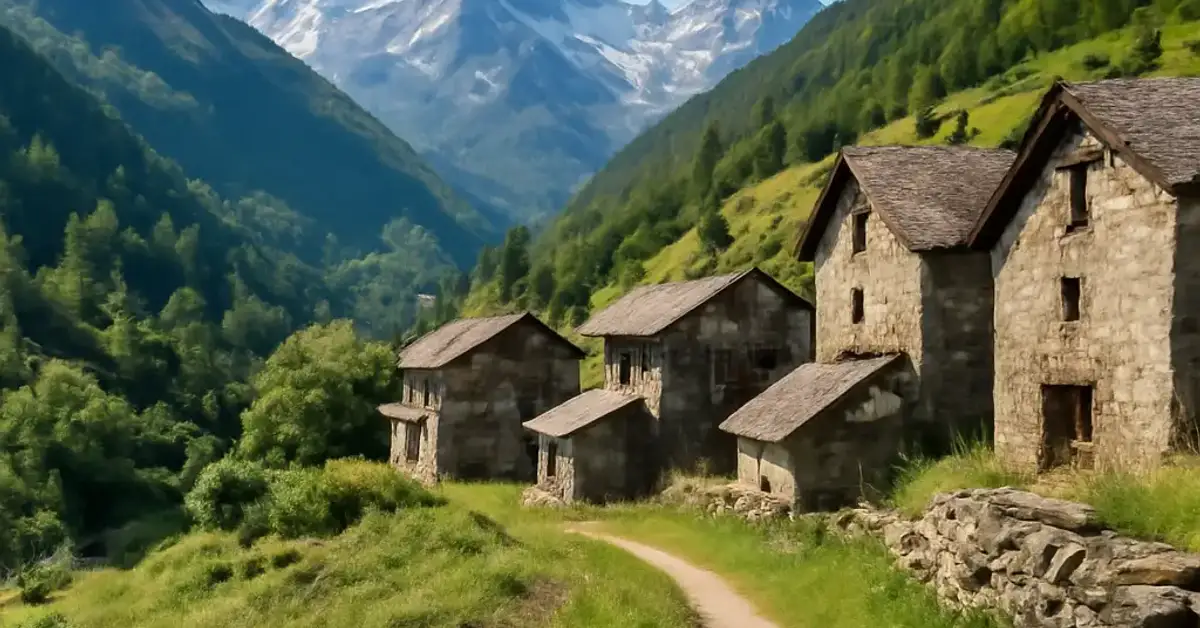
What Makes These Mountain Villages a Must-Visit for Adventure Travelers
Hidden high in the world’s most dramatic ranges, these mountain villages remain untouched by mass tourism. Adventure travelers crave places where the path less traveled leads to genuine encounters — and every one of these hamlets delivers. Whether you’re hiking through cloud forests or sipping tea with shepherds, these off-the-beaten-path villages offer something rare: true discovery.
The Allure of Seclusion and Authenticity
What draws us to these mountain villages? It’s the silence that descends at dusk, the smell of woodsmoke, and the feeling of standing on a trail that’s been walked for centuries. In a world of Instagram crowds, these destinations remain quiet. You can hear your own footsteps. You can taste food grown in the same soil you tread on. You can also browse more posts in destinations.
How We Selected These 7 Hidden Gems
We scoured travel reports, trekking forums, and local guides to find mountain villages that meet one key criteria: they are genuinely off the radar. No cable cars, no souvenir shops. Each village requires effort to reach — a trek, a boat ride, or a winding mountain road. For adventure travelers, that effort is part of the reward.
7 Mountain Villages That Redefine Adventure Travel
1. Ushguli, Georgia — Europe’s Highest Inhabited Hamlet
Perched at 2,200 meters in the Svaneti region, Ushguli is one of the highest continuously inhabited mountain villages in Europe. Its medieval stone towers rise from green meadows. Adventure travelers trek the four-day route from Mestia, crossing glaciers and alpine passes. Tip: visit in late summer for clear trails and fewer storms.
2. Gurez Valley, India — A Kashmir Secret
Nestled along the Kishanganga River near the Line of Control, Gurez Valley remains one of India’s most isolated mountain villages. The wooden houses with intricate carvings sit beneath snowcapped peaks. Travelers need a permit, but the effort rewards with pristine lakes and warm Dard-Shina hospitality. Best reached via the winding road from Bandipora.
3. Randa, Switzerland — The Matterhorn’s Quiet Neighbor
While Zermatt glitters with luxury, Randa slumbers in the valley below. This tiny Swiss village offers access to the Europaweg trail and the famous Suspension Bridge. It’s one of the few mountain villages where you can hike the Haute Route without crowds. Stay at the Weisshorn Hotel for old-world Swiss charm.
4. Cinque Torri Refugio, Italy — Dolomites Without the Crowds
Not a village in the traditional sense, but this high-altitude refugio cluster sits among the spectacular Cinque Torri rock formations. Surrounding mountain villages like Cortina and San Cassiano serve as gateways. The via ferrata routes here are world-class. Adventure travelers can sleep in a mountain hut and wake to golden dawn over the peaks.
5. Khinalug, Azerbaijan — A 5,000-Year-Old Community
Khinalug is one of the oldest continuously inhabited mountain villages in the world. Perched at 2,300 meters in the Greater Caucasus, it feels suspended in time. The locals speak a unique language. Travelers hike through deep gorges and sleep in family-run guesthouses. Note: the road from Guba is rough — a 4×4 is essential.
6. Lares Valley, Peru — Andean Weavers’ Homeland
While the Inca Trail is famous, the Lares Valley offers a quieter alternative. These mountain villages are home to Quechua communities who weave intricate textiles. Adventure travelers can trek past turquoise lagoons and stay in homestays. The hot springs at Lares town are a perfect reward after days of hiking.
7. Tergol, Pakistan — Hunza’s Hidden Terrace
High above the Hunza River, Tergol is a cluster of stone-and-mud houses clinging to a steep hillside. Among the most dramatic mountain villages in the Karakoram, it commands views of Rakaposhi and Diran peaks. Travelers reach it via a thrilling jeep track and then hike up ancient switchbacks. Local apricots are legendary.
How to Prepare for Visiting Mountain Villages Off the Beaten Path
Adventure travel in secluded mountain villages demands more planning than a typical trip. You’ll need to consider altitude, remoteness, and limited infrastructure. Here’s a practical checklist.
Essential Gear and Packing List
- Sturdy, broken-in hiking boots with good ankle support
- Layered clothing for rapid weather changes (base layer, fleece, waterproof shell)
- Altitude sickness medication (consult your doctor)
- Water purification tablets or a filter
- Offline maps and a power bank
- Cash in local currency — ATMs are rare
Best Times to Visit These Secluded Mountain Communities
Most mountain villages are accessible from June through September. In Georgia and Pakistan, late summer offers the driest trails. In the Andes, May to October is the dry season. Always check local conditions; some passes remain snow-covered into July.
Working with Local Guides
Local guides are invaluable in these off-the-beaten-path villages. They know weather patterns, safe routes, and cultural norms. Hiring a guide also supports the community directly. In Azerbaijan and Peru, guide cooperatives are well-organized. In India, permits require an official guide.
| Village | Country | Best Season | Difficulty to Reach |
|---|---|---|---|
| Ushguli | Georgia | June–September | Moderate (4-day trek) |
| Gurez Valley | India | May–October | Challenging (permit + rough road) |
| Randa | Switzerland | June–October | Easy (road access) |
| Cinque Torri Refugio | Italy | July–September | Moderate (via ferrata) |
| Khinalug | Azerbaijan | June–August | Challenging (4×4 required) |
| Lares Valley | Peru | May–October | Moderate (multi-day trek) |
| Tergol | Pakistan | June–September | Challenging (jeep + steep hike) |
Responsible Travel in Secluded Mountain Communities
Adventure travelers have a responsibility to protect these fragile mountain villages. Tourism can be a force for good — but only when done thoughtfully.
Leave No Trace Principles
Pack out all waste, avoid disturbing wildlife, and stay on marked trails. In high-altitude mountain villages, the ecosystem is delicate. A single plastic bottle can linger for decades. Use reusable water bottles and refill from streams when safe.
Supporting Local Economies
Stay in family-run guesthouses, buy handicrafts directly from artisans, and eat at local eateries. In Khinalug and Tergol, your tourist dollars can mean the difference between a community thriving or young people leaving for cities. Tip generously and with respect. For a related guide, see 9 Most Beautiful Historic Cities for Culture Lovers: Expert Picks.
Useful Resources
For more on hidden mountain villages and trekking logistics, check these trusted sources:
- Lonely Planet — Off-the-Beaten-Path Villages in Europe
- Intrepid Travel — Remote Mountain Villages Worth the Journey
These mountain villages remind us that the best adventures often lie beyond the map. Whether you’re crossing a glacier in Georgia or weaving in the Andes, each step brings you closer to a world that feels both ancient and alive. So lace up your boots, pack your curiosity, and go discover what’s waiting in these hidden high places.
Frequently Asked Questions About mountain villages
What are the best hidden mountain villages in Europe?
Ushguli in Georgia, Randa in Switzerland, and the refugios around Cinque Torri in Italy are some of the most captivating hidden mountain villages in Europe. Each offers unique trails and authentic alpine culture.
How do I reach hidden mountain villages in remote areas?
Access varies. Some villages require multi-day treks (Ushguli, Lares Valley), while others need 4×4 vehicles (Khinalug, Tergol). Always research recent road conditions and hire local guides where needed.
Are hidden mountain villages safe for solo travelers?
Yes, but preparation is key. Stick to well-traveled trails, inform someone of your itinerary, carry offline maps, and consider hiring a guide for more isolated off-the-beaten-path villages.
What should I pack for visiting mountain villages?
Pack layers, sturdy boots, a first-aid kit, water purification, altitude medication, cash, and a power bank. In remote mountain villages, facilities are basic — you’ll need to be self-sufficient.
When is the best time to visit hidden mountain villages ?
Most hidden mountain villages are best visited between June and September. The Andes’ dry season runs May to October. Check local weather and trail conditions before booking.
Do I need permits for these secluded mountain communities ?
Some require permits, like Gurez Valley in India. Others, like Randa in Switzerland, are open. Always verify with local tourism offices or your guide service before traveling to off-the-beaten-path villages.
Can I stay overnight in these mountain villages?
Yes, most offer homestays or small guesthouses. In Lares Valley, you can stay with Quechua families. In Khinalug, guesthouses are run by locals. Book in advance during peak season.
What languages are spoken in these hidden mountain villages ?
Local languages predominate: Svan in Ushguli, Shina in Gurez, Quechua in Lares. Many villagers speak some English or a regional lingua franca. Hiring a local guide can bridge communication gaps.
Are these mountain villages family-friendly?
Some are, like Randa with easy road access. Others, like Khinalug or Tergol, involve rough travel and high altitudes. Assess your family’s fitness and comfort with basic conditions before choosing secluded mountain communities.
How can I support the local economy when visiting?
Stay in locally owned accommodations, eat at family-run restaurants, buy handicrafts directly, and hire local guides. Responsible tourism helps preserve these mountain villages for future generations.
What is the altitude like in these villages?
Altitudes range from 1,400m (Randa) to over 4,000m (Lares Valley). Ushguli sits at 2,200m, Khinalug at 2,300m. Acclimatize gradually and stay hydrated. Altitude sickness can affect anyone.
Are there any dangers in remote mountain villages?
Risks include altitude sickness, sudden weather changes, rockfalls on trails, and limited medical facilities. Carry a comprehensive first-aid kit and an emergency communication device for truly secluded mountain communities.
Can I use credit cards in these villages?
No. Most hidden mountain villages rely on cash. ATMs are rare or non-existent. Bring sufficient local currency in small denominations for purchases and tips.
What food can I expect in these mountain villages?
Expect hearty, local fare: khinkali in Ushguli, trouts in Gurez, rosti in Randa, quinoa soups in Lares, and apricots in Tergol. Meals are simple but nutritious, often prepared over wood fires.
Do these villages have phone or internet access?
Coverage is patchy. Randa and Cinque Torri refugios have basic connectivity. Ushguli and Tergol have limited mobile signals. Lares Valley often has none. Download offline maps before you go.
What is the accommodation like in secluded mountain communities ?
Expect basic but clean rooms with shared bathrooms. Some offer dormitory-style sleeping. In Randa and Cinque Torri, hotels are more comfortable. In Khinalug, homestays are humble but welcoming.
How long should I spend in each village?
Plan at least 2-3 nights per mountain village to fully experience the trails and culture. For Ushguli and Lares Valley, 4 days allow for deeper exploration of surrounding valleys.
Are these hidden mountain villages crowded?
No, that’s their appeal. Even in peak season, they see a fraction of the tourists compared to nearby popular spots. Gurez and Tergol see fewer than a thousand visitors per year.
Can I combine several mountain villages in one trip?
Yes, with careful planning. You can combine Ushguli with other Svanetian villages, or Lares Valley with the Sacred Valley. In Pakistan, multiple Hunza villages are connected by jeep tracks.
What is the best way to book a trip to these villages?
Use specialized adventure travel agencies or contact local guides directly via Facebook or WhatsApp groups. For off-the-beaten-path villages like Khinalug and Tergol, a guided tour is highly recommended.