
Historic Cities Key Takeaways
For culture lovers, few experiences rival the thrill of walking through ancient streets, admiring centuries-old architecture, and absorbing living traditions.
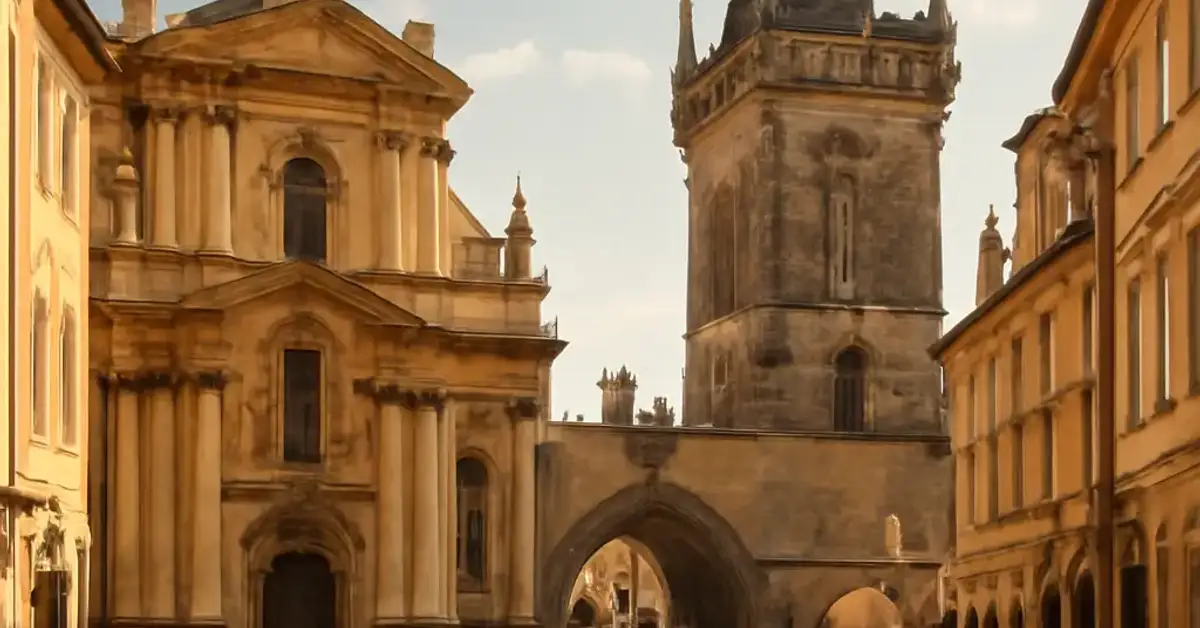
Why Historic Cities Captivate Culture Lovers
There’s something magical about stepping into a place where history breathes around every corner. Historic cities are not just museums—they are living entities where past and present intertwine. For culture enthusiasts, these destinations offer layers of discovery: art, music, cuisine, and traditions that have evolved over centuries. Unlike modern metropolises, they reward slow exploration and curiosity.
Travelers often seek the best historic cities for culture lovers because they provide deep context to human creativity and resilience. Whether you’re standing in front of the Colosseum or wandering the alleys of Fez, you feel a connection to the people who shaped our world. Let’s dive into nine of the most beautiful historic cities that should be on every culture lover’s radar.
What Makes a Historic City Unmissable for Culture Seekers
Before we explore the list, it helps to understand the criteria. A truly remarkable historic city offers more than old buildings—it delivers authentic experiences. We evaluated each destination based on architectural integrity, cultural offerings (museums, festivals, cuisine), walkability, and the ability to immerse visitors in local life. The result is a diverse mix of European, Asian, African, and Middle Eastern gems.
Architecture as a Storybook
From Romanesque cathedrals to Ottoman mosques, architecture tells the story of conquest, faith, and art. Cities with well-preserved districts—like Prague’s Old Town or Granada’s Albaicín—allow you to read history in stone.
Living Traditions and Festivals
Culture isn’t static. The best historic cities for culture lovers keep traditions alive through festivals, artisan workshops, and local markets. Kyoto’s tea ceremonies and Fez’s leather tanneries are perfect examples.
9 Most Beautiful Historic Cities for Culture Lovers
Each city on this list offers a unique lens into the past. Whether you prefer Renaissance grandeur or ancient medinas, there’s a destination here for you.
1. Rome, Italy
Rome is the ultimate historic city for culture lovers. With nearly 3,000 years of history, it offers an unparalleled density of ancient ruins, Renaissance masterpieces, and Baroque fountains. Wander the Roman Forum, toss a coin in the Trevi Fountain, and marvel at Michelangelo’s Sistine Chapel. Don’t miss the Trastevere neighborhood for authentic Roman trattorias and evening passeggiatas.
2. Kyoto, Japan
Kyoto is Japan’s cultural soul. The city boasts over 2,000 temples and shrines, serene bamboo groves, and exquisite gardens. Participate in a traditional tea ceremony, stroll through the Arashiyama Bamboo Grove, and explore the historic Gion district, where geishas still entertain. Kyoto’s seasonal festivals, like the Gion Matsuri, add vibrant color to your visit.
3. Prague, Czech Republic
Prague feels like a fairy tale come to life. Its Old Town Square, with the Astronomical Clock, and the sprawling Prague Castle showcase Gothic and Baroque architecture at its finest. Walk across the Charles Bridge at sunrise for stunning views. The city’s café culture and classical music scene make it a haven for culture enthusiasts.
4. Granada, Spain
Granada is a jewel of Moorish Spain. The Alhambra palace complex, with its intricate tilework and lush gardens, is a UNESCO World Heritage site. The nearby Albaicín neighborhood offers narrow, winding streets and miradors with breathtaking views of the Sierra Nevada. Flamenco shows in Sacromonte caves provide an unforgettable cultural evening.
5. Fez, Morocco
Fez is one of the best-preserved medieval cities in the world. The labyrinthine medina of Fes el-Bali is a sensory overload of colors, smells, and sounds. Visit the Chouara Tannery, the Al-Attarine Madrasa, and the University of al-Qarawiyyin, one of the oldest universities in existence. A local guide is essential for navigating the maze-like streets.
6. Cusco, Peru
Once the capital of the Inca Empire, Cusco blends indigenous and Spanish colonial influences. The city’s stone walls, built by Inca masons, are visible throughout. Explore the San Pedro Market, visit the Qorikancha temple, and use Cusco as a base for the Sacred Valley and Machu Picchu. The Inti Raymi festival is a spectacular celebration of Inca heritage.
7. Cartagena, Colombia
Cartagena is a Caribbean treasure with a rich colonial past. Its colorful, cobblestoned Old Town is encircled by massive fortress walls built by the Spanish. Walk through the Getsemaní neighborhood for vibrant street art and salsa music. The Palace of the Inquisition and the Gold Museum offer deeper dives into history.
8. Vienna, Austria
Vienna is synonymous with imperial grandeur and high culture. The Hofburg Palace, Schönbrunn Palace, and the Belvedere are architectural masterpieces that house world-class art collections. Attend an opera at the Vienna State Opera or enjoy a slice of Sachertorte in a traditional café. The city’s coffeehouse culture is a UNESCO Intangible Cultural Heritage.
9. Istanbul, Turkey
Istanbul straddles two continents and two millennia. The Hagia Sophia, Blue Mosque, and Topkapi Palace are must-sees. The Grand Bazaar and Spice Bazaar offer sensory immersion, while a Bosphorus cruise reveals the city’s stunning skyline. Turkish bathhouses provide a relaxing cultural experience rooted in Ottoman tradition.
Comparison of Historic Cities for Different Travel Interests
Choosing the right destination depends on your personal passion. This table helps you match each city to your cultural priorities.
| City | Best For | Top Cultural Experience | Average Stay |
|---|---|---|---|
| Rome | Ancient history and Renaissance art | Colosseum and Vatican Museums | 4–5 days |
| Kyoto | Temples and traditional arts | Tea ceremony and bamboo grove | 3–4 days |
| Prague | Gothic architecture and music | Prague Castle and Old Town Square | 3 days |
| Granada | Moorish heritage and flamenco | Alhambra and Albaicín walk | 2–3 days |
| Fez | Medieval medina and artisan crafts | Tannery and madrasa tour | 2–3 days |
| Cusco | Inca and colonial fusion | Sacred Valley and Inti Raymi | 3–4 days |
| Cartagena | Colonial charm and music | Old Town walking and salsa night | 2–3 days |
| Vienna | Imperial palaces and classical music | Schönbrunn and State Opera | 3–4 days |
| Istanbul | Byzantine and Ottoman layers | Hagia Sophia and Grand Bazaar | 4–5 days |
Practical Tips for Visiting Historic Cities
To make the most of your cultural journey, consider these strategies:
- Book walking tours – Local guides reveal hidden stories you’d miss on your own.
- Travel off-peak – Spring and autumn offer mild weather and fewer crowds.
- Learn a few phrases – A simple “hello” or “thank you” in the local language opens doors.
- Stay central – Accommodations within historic districts save time and enhance immersion.
- Check festival calendars – Align your visit with events like Granada’s International Music and Dance Festival.
Useful Resources
For deeper planning, explore these trusted sources:
- Lonely Planet: Best Historic Cities for Culture Lovers – Expert recommendations and travel guides.
- UNESCO World Heritage List – Official database of world heritage sites, including many of the cities featured.
Frequently Asked Questions About Historic Cities
Frequently Asked Questions About Historic Cities
What is the most beautiful historic city for culture lovers?
There is no single answer, as beauty is subjective. However, many travelers rank Rome, Kyoto, and Prague among the most beautiful historic cities due to their stunning architecture and rich cultural scenes.
Which historic cities are best for art enthusiasts?
Rome, Vienna, and Florence are exceptional for art lovers, housing world-renowned museums like the Vatican Museums, the Belvedere, and the Uffizi Gallery.
What is the cheapest historic city to visit?
Prague and Cartagena are generally more affordable than Western European capitals, offering good value for accommodation, food, and cultural attractions.
How many days do you need in a historic city?
We recommend 3–5 days for most historic cities to allow time for major sites, leisurely exploration, and spontaneous cultural discoveries.
Are historic cities safe for solo travelers?
Yes, most historic cities are safe for solo travelers when you take standard precautions—avoiding poorly lit areas at night and keeping valuables secure.
What is the best time of year to visit historic cities in Europe?
Spring (April–June) and autumn (September–October) offer pleasant weather, fewer tourists, and lower prices than summer.
Do historic cities have good public transport?
Most major historic cities, including Rome, Prague, and Vienna, have efficient metro, tram, and bus systems that make sightseeing convenient.
Can you visit multiple historic cities in one trip?
Absolutely. Many travelers combine Prague with Vienna, or Rome with Florence and Venice, thanks to short train connections between cities.
Which historic cities are best for food lovers?
Rome, Istanbul, and Fez are paradise for foodies, offering anything from pasta and gelato to kebabs, baklava, and tagines.
What should I pack for a historic city trip?
Comfortable walking shoes are essential. Pack layers for changing weather, a reusable water bottle, and a small day bag for sightseeing.
Are historic cities wheelchair accessible?
Accessibility varies. Cities like Vienna and Prague have made progress, but older districts in Fez or Granada may present challenges. Research specific attractions in advance.
What language is spoken in most historic cities ?
English is widely spoken in tourist areas of European and Asian historic cities, but learning basic phrases in the local language is always appreciated.
Do historic cities have nightlife?
Yes. Prague, Rome, and Cartagena have vibrant nightlife scenes, from jazz bars to rooftop lounges and flamenco shows.
Which historic city is best for families?
Rome and Prague are very family-friendly, with engaging attractions, green spaces, and many child-oriented walking tours.
How do I avoid tourist traps in historic cities ?
Eat where locals eat, skip restaurant menus in multiple languages, and book tours with reputable companies. Walking away from main squares often reveals authentic spots.
What is the best way to explore a historic city?
Walking is best for immersion. Supplement with public transport for longer distances, and consider a hop-on-hop-off bus for orientation.
Are there any hidden gem historic cities ?
Granada, Fez, and Cartagena are often less crowded than capitals but offer equally profound cultural experiences.
Can I visit historic cities on a budget?
Yes. Choose cities like Prague, Cusco, or Fez, stay in hostels or guesthouses, eat street food, and take advantage of free walking tours.
What is the oldest historic city on this list?
Rome is the oldest, with a history spanning over 2,700 years. Kyoto and Fez also have ancient roots dating back over a millennium.
Which historic city has the most UNESCO sites?
Rome holds multiple UNESCO sites within its boundaries, including the Colosseum, the Vatican, and the Pantheon, making it a top choice for culture lovers.